What is Knee Replacement Surgery?
A knee replacement is a common surgical procedure used to relieve chronic pain and improve movement when the joint is severely damaged by injury, osteoarthritis, or deformity. It replaces worn joint surfaces with artificial components designed to restore smoother, more stable movement.
Early Recovery: What’s Normal?
In the first few weeks after surgery, most people experience:
- Pain & swelling
- Stiffness
- Reduced movement
- Bruising and discomfort when walking or bending
These symptoms are expected as the body heals and the joint adapts to its new mechanics.
Why Physiotherapy Matters
Physiotherapy is essential after a knee replacement. Evidence shows that structured rehab:
- Reduces pain
- Restores joint movement
- Rebuilds strength
- Supports safe return to daily activities
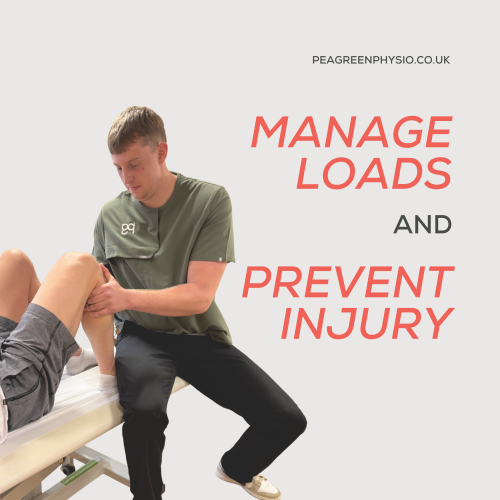
Most patients begin physiotherapy around week 2, focusing on personalised exercises and hands‑on treatment to optimise recovery.
What Treatment May Include
At Pea Green Physio, rehab may involve:
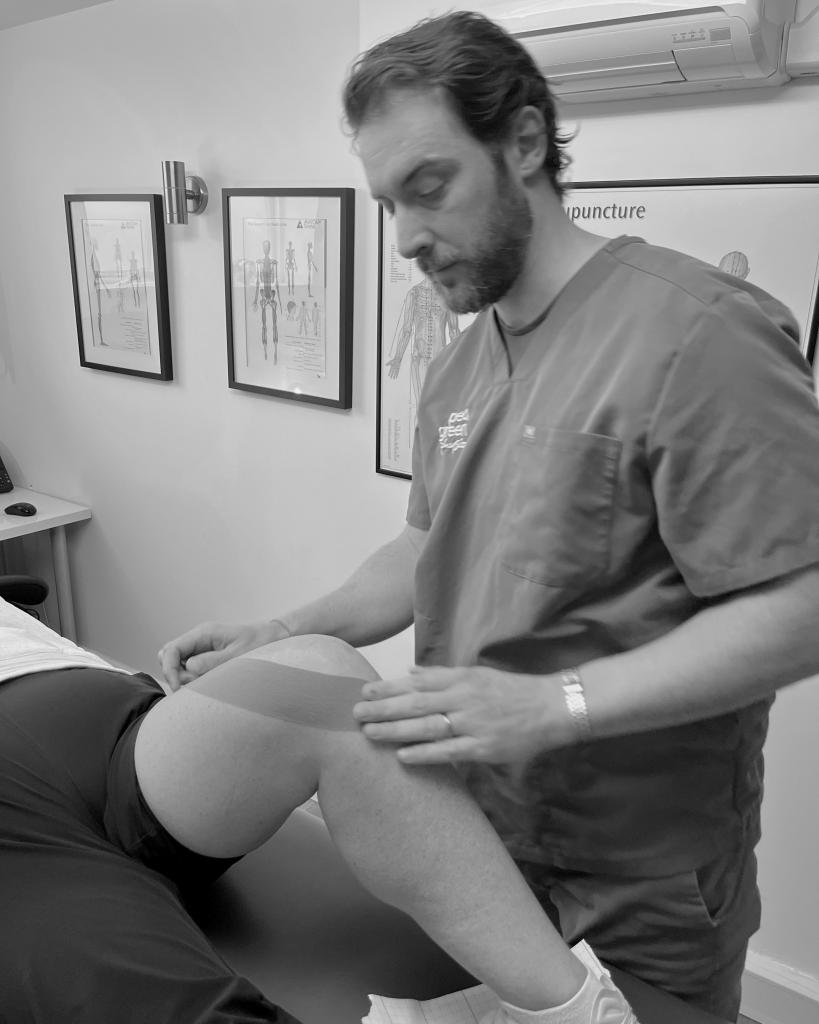
- Soft tissue massage to ease tightness
- Joint mobilisation to improve movement
- Scar work to support healing and flexibility
- Targeted strength exercises to rebuild stability
- Gait retraining for confident walking
These techniques help improve comfort, mobility, and long‑term function.
EMTT: A Helpful Adjunct
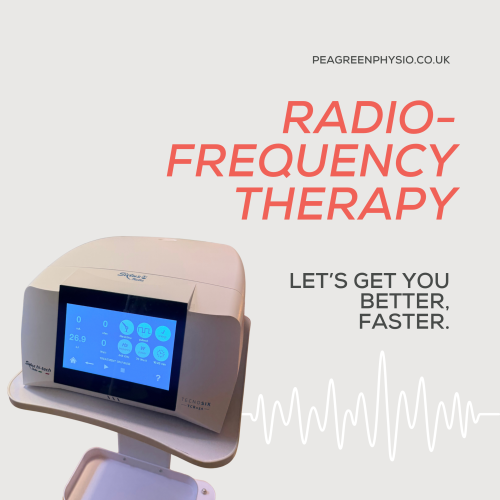
Extracorporeal Magneto transduction Therapy (EMTT) can support recovery by:
- Reducing pain
- Lowering swelling and inflammation
- Supporting bone healing
EMTT is not a replacement for physiotherapy, but it can make movement and rehabilitation more comfortable when used alongside a structured exercise programme. Available in Cheltenham.
Every knee replacement recovery is unique. At Pea Green Physio in Bicester and Cheltenham, we build personalised rehab plans that help you move confidently, safely, and with less pain – step by step.