Are you experiencing shoulder pain, weakness, or difficulty lifting your arm?
Rotator cuff injuries are a common cause of shoulder discomfort, particularly in adults over 40. The supraspinatus tendon is most frequently affected, often due to overuse, repetitive movements, or age-related wear. Early physiotherapy is crucial for addressing pain, restoring movement, and preventing long-term dysfunction.
What is a Rotator Cuff Injury?
The rotator cuff is a group of four muscles and tendons that stabilise the shoulder joint and allow smooth movement. Injury can result from:
- Repetitive overhead activities or sports
- Age-related tendon degeneration
- Sudden strain or lifting injuries
If left untreated, rotator cuff injuries can lead to reduced shoulder mobility, weakness, and increased risk of re-injury.
How Physiotherapy Helps
Physiotherapy takes a structured, staged approach to recovery, supporting pain relief, healing, and gradual return to full function:
- Early Stage – Pain Relief and Mobility Gentle passive and active-assisted movements protect healing tissue while maintaining range of motion. Manual therapy and soft tissue techniques relieve tension and support recovery.
- Mid Stage – Strengthening Isometric exercises and closed-chain work are introduced to rebuild strength without overloading the tendon. Gradually, resistance-based exercises are added as healing progresses.
- Scapular Stability Correct – control of the shoulder blade is essential. Poor scapular stability is linked to delayed recovery and increased risk of re-injury in up to 40% of cases.
- Functional Rehabilitation Exercises – movements are tailored to your daily activities or sport, ensuring you regain confidence and full shoulder function.
Shockwave Therapy for Persistent Cases
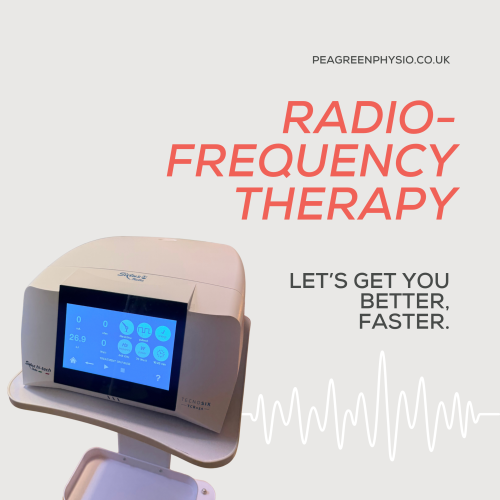
For more stubborn or chronic tendinopathy, shockwave therapy can be a helpful addition. High-energy acoustic waves stimulate blood flow and encourage tissue repair, particularly in areas where symptoms have plateaued. When combined with exercise-based rehabilitation, clinical studies show it can significantly reduce pain and improve function. The therapy is non-invasive and well-tolerated.
Benefits of Physiotherapy for Rotator Cuff Injuries
- Pain Relief – reduce discomfort and inflammation in the shoulder
- Improved Mobility – restore range of motion and ease of movement
- Strengthened Shoulder and Scapula – support long-term function and reduce re-injury risk
- Return to Daily Activities or Sport – regain confidence in everyday tasks or athletic performance
Who Can Benefit
Physiotherapy is suitable for anyone experiencing:
- Shoulder pain or weakness, especially when lifting the arm
- Difficulty performing overhead activities
- Chronic tendinopathy unresponsive to rest or self-care
- Recurrent shoulder injuries or reduced function
What to Expect in a Session
- A detailed assessment of shoulder movement, strength, and stability
- Tailored exercise programmes progressing with your recovery
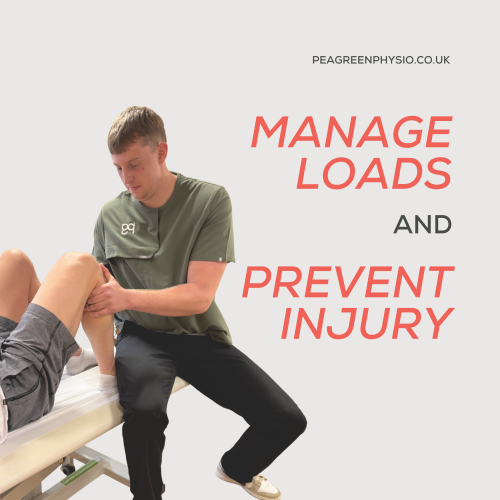
- Manual therapy and soft tissue techniques to relieve tension and support healing
- Advice on posture, activity modification, and strategies to prevent re-injury
- Shockwave therapy, where appropriate, to accelerate healing
With structured physiotherapy, most people recover from rotator cuff injuries without surgery. Book a consultation at Pea Green Physio to rebuild strength, restore movement, and return to full shoulder function with confidence.